Introduction
Keyboards, laptops, desktop computers, and other electronic devices are part of everyday life for students, professionals, remote workers, gamers, and households. These devices are frequently handled throughout the day, and their surfaces can gradually collect dust, fingerprints, skin oils, crumbs, and other small particles. Although regular use is unavoidable, keeping computer equipment clean can help maintain a more comfortable workspace and make routine device care easier.
Cleaning electronics, however, requires a different approach from cleaning ordinary household objects. A laptop keyboard contains narrow spaces between keys, while a computer monitor has a surface that can be damaged by unsuitable cleaning products. Earbuds, charging ports, camera lenses, and other small accessories also have areas that are difficult to reach with a standard cloth. Using excessive moisture, sharp tools, or too much pressure may cause damage rather than improve cleanliness.
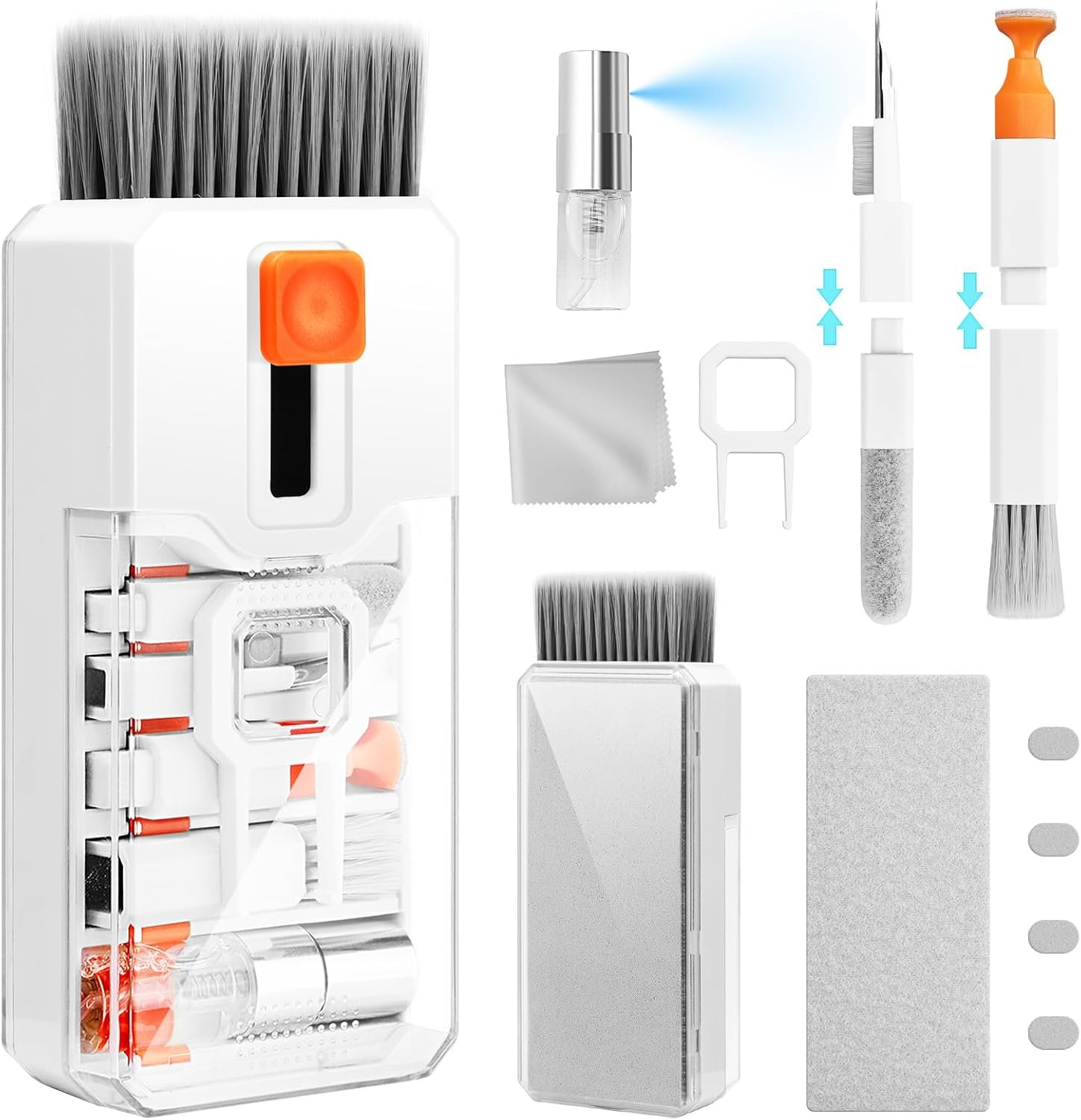
A keyboard cleaner and laptop cleaning kit is designed to make these everyday maintenance tasks more manageable by bringing several cleaning tools together in one collection. Instead of searching for separate brushes, cloths, and small detailing tools, users can keep a selection of accessories in one convenient place. Depending on the kit’s exact contents, these tools may help remove loose dust, clean around keyboard keys, wipe compatible screens, and reach certain narrow areas on electronic accessories.
The Ordilend Keyboard Cleaner and Laptop Cleaning Kit is listed on Amazon as an all-in-one cleaning accessory for computers and related electronics. Anyone considering this type of kit should understand what different cleaning tools are intended to do, how to use them safely, and which details to verify before purchasing.
This guide explains the practical uses of an all-in-one computer cleaning kit, the advantages and limitations of different cleaning methods, and the precautions that matter when maintaining electronic equipment. The goal is to help readers determine whether this style of cleaning kit fits their workspace, devices, and cleaning habits.
Key Features of an All-in-One Keyboard and Laptop Cleaning Kit
A multifunctional electronics cleaning kit typically combines tools for several maintenance tasks. The exact accessories, dimensions, materials, and included components can vary between models, so the current Amazon listing should be consulted to confirm the configuration of the Ordilend kit.
The following sections explain the common tool categories found in this type of product and how each may contribute to routine computer maintenance.
1. Brushes for Keyboard Dust and Loose Debris
Keyboard brushes are useful for removing loose particles from the spaces around individual keys. Over time, small amounts of dust, lint, and crumbs can settle between keycaps or along the edges of a keyboard. A soft brush can help lift this material without requiring the user to wipe every key individually.
Different brush designs serve different purposes. A broader brush can cover the surface of a keyboard relatively quickly, while a smaller detailing brush may provide better access to narrow gaps and corners.
When selecting a brush, softness matters. A brush with stiff or rough bristles may scratch delicate finishes or place unnecessary pressure on exposed components. Users should also avoid pushing debris deeper into the keyboard by brushing aggressively.
For routine cleaning, the most practical approach is to turn off or disconnect the device, tilt the keyboard carefully if its design permits, and use gentle strokes to move loose particles away from the key gaps.
A brush does not necessarily remove every type of contamination. Sticky residue, dried spills, and oily deposits may require a different cleaning method, and some problems cannot be addressed safely without professional servicing.
2. Tools for Cleaning Between Keys
The spaces between keyboard keys can be difficult to reach with a conventional microfiber cloth. Small cleaning tools are intended to address these areas by reaching around key edges and into narrow gaps.
Depending on the kit, these accessories may include compact brushes, narrow detailing tools, or other specialized attachments. Their precise shape and intended use should be checked against the manufacturer’s instructions before use.
These tools can be particularly helpful for mechanical keyboards, desktop keyboards with visible gaps between keycaps, and laptop keyboards that collect loose dust during regular use.
However, not every keyboard has the same construction. Some keyboards have low-profile keys, delicate scissor mechanisms, or manufacturer-specific keycap designs. A tool that works on one keyboard may not be suitable for another.
Avoid inserting a rigid tool deeply beneath a key or attempting to remove keycaps without confirming that the keyboard supports this procedure. Laptop keys can be especially delicate, and their clips may break if lifted incorrectly.
For ordinary maintenance, gentle surface cleaning is usually preferable to dismantling the keyboard.
3. Microfiber Cloths for Compatible Screens and Surfaces
A clean microfiber cloth is one of the most useful accessories for maintaining electronic devices. It can help remove fingerprints, light dust, and surface smudges from compatible screens, laptop lids, touchpads, and other smooth surfaces.
Microfiber is designed to collect small particles while reducing the need for abrasive wiping. Nevertheless, the condition of the cloth matters. A cloth that has collected grit, dried residue, or dirt may scratch a delicate display when rubbed against it.
Before cleaning a screen, inspect the cloth and remove visible particles. Use light pressure and avoid rubbing a dusty surface aggressively.
Screen coatings also vary. Laptop displays, touchscreen devices, tablets, and external monitors may have different manufacturer recommendations. Some manufacturers advise using a dry microfiber cloth for routine cleaning, while others permit a specific screen-safe cleaning solution when necessary.
Do not assume that a cleaning solution is appropriate simply because it is marketed for electronics. Check the device manufacturer’s instructions, especially for displays with anti-reflective coatings or other specialized finishes.
A microfiber cloth can also be useful for cleaning the outside of a laptop, provided the surface material is compatible with the cleaning method being used.
4. Compact Tools for Small Electronic Accessories
An all-in-one electronics cleaning kit may include small tools intended for accessories such as wireless earbuds, charging cases, headphones, and other personal electronics.
These accessories often have narrow openings, seams, and textured surfaces that are difficult to clean with a large cloth. A small, appropriately designed brush can help remove loose particles from accessible exterior areas.
For example, someone who uses wireless earbuds daily may want to remove visible debris from the outside of the charging case. A person who works with headphones may need to clean the exterior around buttons, hinges, or adjustable components.
However, small electronic accessories require careful handling. Earbud speaker meshes, microphone openings, and charging contacts should not be treated like ordinary surfaces. Inserting a tool too deeply can damage internal components or push debris farther inside.
Avoid using sharp metal objects, excessive force, or liquids near openings. Follow the manufacturer’s cleaning instructions for each accessory, and do not use a generic tool on a sensitive component unless its suitability is clear.
The usefulness of these accessories depends on the kit’s actual contents and the types of devices being maintained.
5. Tools Designed for Hard-to-Reach Areas
Dust can collect around hinge edges, connection panels, narrow seams, and other small spaces. Compact detailing tools may make these areas easier to access than a standard cloth.
A laptop hinge, for example, may accumulate visible dust along its exterior. A gentle brush can help remove loose material from the accessible surface without forcing the tool into the mechanism.
Likewise, the exterior edges of a keyboard or the spaces around a desktop monitor stand may benefit from occasional detailing.
The important distinction is between cleaning an accessible surface and attempting to clean inside a device. A narrow tool should not be pushed into a laptop chassis, cooling fan, port, or other internal opening unless the manufacturer specifically permits that method.
If a computer is overheating, making unusual noises, or showing signs of internal dust buildup, an external cleaning kit may not solve the problem. Internal maintenance can require specialized procedures and may be better handled by a qualified technician.
6. A Combined Kit for Routine Maintenance
The main practical appeal of a multifunctional cleaning kit is organization. When several cleaning accessories are stored together, it becomes easier to establish a regular maintenance routine.
A user might keep the kit beside a home office computer, in a desk drawer, or with other workstation accessories. Having tools readily available can make brief cleaning sessions more convenient than collecting separate supplies each time.
The benefit depends on the actual design of the kit. Buyers should examine the product photographs, included-item list, dimensions, storage arrangement, and instructions rather than assuming that every all-in-one kit contains the same tools.
It is also worth considering whether the kit duplicates items already available at home. Someone who owns a suitable microfiber cloth and a soft keyboard brush may need fewer additional accessories than a person starting from scratch.
How a Keyboard and Laptop Cleaning Kit Can Be Used
A cleaning kit can support several everyday maintenance tasks. The appropriate method depends on the device, the type of contamination, and the tools included.
Cleaning a Laptop Keyboard
Laptop keyboards are frequently exposed to dust, fingerprints, and small particles from everyday use. Because the keyboard is integrated into the computer, cleaning it requires particular care.
Begin by shutting down the laptop and disconnecting its charger and other cables. If the manufacturer recommends additional precautions, follow those instructions.
Use a soft, dry brush to remove loose particles from the keyboard surface. Work gently around the keys, avoiding excessive pressure. If the laptop manufacturer’s instructions permit it, you can carefully tilt the device to help loose debris fall away from the keyboard.
Next, use a clean microfiber cloth to wipe the tops of the keys and the surrounding palm-rest area. The cloth should be dry or treated only with a manufacturer-approved cleaning method. Never spray liquid directly onto the keyboard.
Do not pour cleaning solution into key gaps or attempt to flush out dirt. Even a small amount of liquid can cause problems if it reaches the internal electronics.
If a key is sticking because of a spill, surface brushing may not be sufficient. Consult the laptop manufacturer’s guidance or seek professional assistance rather than forcing the key to move.
Maintaining a Desktop Computer Keyboard
A desktop keyboard is often easier to position for cleaning because it can usually be disconnected and moved independently of the computer.
After disconnecting it, inspect the keyboard for loose debris. Use a soft brush to remove dust around the key edges and along the frame. A microfiber cloth can then be used to clean the key surfaces and exterior housing.
For keyboards that support removable keycaps, more extensive cleaning may be possible, but the manufacturer’s instructions should be checked first. Some keyboards are designed for easy keycap removal, while others use mechanisms that can be damaged during disassembly.
If you use a mechanical keyboard, consider whether the manufacturer’s maintenance recommendations distinguish between cleaning the keycaps and cleaning the underlying switches. These are different tasks and may require different procedures.
A compact kit can help with routine surface maintenance, but it should not be treated as a replacement for model-specific repair instructions.
Cleaning a Laptop Screen
Displays are among the most sensitive surfaces on a computer. Fingerprints and dust can be distracting, but improper cleaning can damage coatings or leave additional marks.
Start by shutting down the display if recommended by the manufacturer. A dark screen can make dust and fingerprints easier to see.
Use a clean microfiber cloth to remove loose dust with light, gentle movements. Avoid pressing firmly against the screen, particularly on thin laptop panels.
If smudges remain, check the manufacturer’s cleaning guidance before using moisture or a cleaning product. Some displays can be cleaned with a slightly dampened cloth, while others require specific restrictions.
Never spray liquid directly onto the screen. Do not use abrasive pads, household glass cleaners, or solvents unless the manufacturer explicitly approves them for that particular display.
If a cleaning kit includes a liquid or spray, verify its ingredients and compatibility rather than assuming it is safe for every monitor or laptop.
Cleaning Earbuds and Headphone Exteriors
Wireless earbuds and headphones are often handled repeatedly throughout the day. Their exterior surfaces may collect fingerprints, dust, and other visible debris.
A small brush can help remove loose particles from accessible exterior areas, while a microfiber cloth can wipe compatible smooth surfaces.
For earbuds, avoid pushing dirt into the speaker mesh or microphone openings. Do not apply liquid directly to these openings, and do not use sharp tools to scrape away debris.
For over-ear headphones, check the care instructions for the ear cushions and headband. Fabric, synthetic leather, genuine leather, and foam materials can require different cleaning methods.
A generic electronics kit may be helpful for light exterior maintenance, but it should not replace the manufacturer’s specific guidance for sensitive audio components.
Cleaning Charging Cases and Other Accessories
Charging cases, external keyboards, mice, and small computer accessories can collect dust along their seams and around buttons.
Begin by disconnecting the accessory or powering it off where appropriate. Remove loose debris using a soft brush, then wipe compatible exterior surfaces with a clean cloth.
Pay attention to the material of the accessory. A textured plastic case may tolerate a different cleaning approach from a glossy surface or a device with a specialized coating.
Avoid introducing moisture into charging ports, switches, seams, and electrical contacts. If a port contains compacted debris, do not force a tool inside without following the manufacturer’s instructions.
Maintaining a Home Office
A regular cleaning routine can be useful for anyone who works or studies at a computer for several hours a day.
For example, a simple weekly routine might involve wiping the desk, brushing loose dust from the keyboard, cleaning the mouse exterior, and removing fingerprints from compatible surfaces. A monitor can be cleaned when needed rather than wiped aggressively every day.
A kit stored in a desk drawer can help keep these tasks organized. It can also reduce the temptation to use unsuitable household items, such as paper towels that may leave fibers or abrasive materials that can scratch surfaces.
The frequency of cleaning depends on the environment. A desk near an open window, a workshop, or a kitchen may collect dust and particles more quickly than a relatively enclosed office.
Who May Find This Type of Cleaning Kit Useful?
An all-in-one computer cleaning kit may be useful for several types of users, although its value depends on their devices and existing cleaning supplies.
Remote Workers and Office Professionals
People who work from home often use a laptop, keyboard, mouse, monitor, headset, and smartphone throughout the day.
Keeping these devices clean can make the workspace more comfortable and organized. A combined kit may be convenient for occasional keyboard maintenance, screen care, and exterior cleaning of compatible accessories.
However, workers who mainly use a single laptop and already own a microfiber cloth may not need a large collection of specialized tools.
Students
Students frequently carry laptops between classrooms, libraries, shared study areas, and home. These environments can expose devices to dust, crumbs, and fingerprints.
A compact cleaning kit may be practical for maintaining a laptop keyboard and exterior surfaces. Its usefulness will depend on portability, storage size, and whether the included tools can be transported without becoming damaged or dirty.
Students should also consider the durability of the accessories and whether the kit contains tools they will realistically use.
Gamers and Mechanical Keyboard Users
Gaming setups may include mechanical keyboards, gaming mice, headsets, controllers, and monitors. Some users prefer to keep these accessories clean because dust and debris can accumulate around frequently handled controls.
A brush and detailing tools can help with accessible exterior surfaces and key gaps. A microfiber cloth may also be useful for compatible monitor surfaces.
Nevertheless, gaming equipment varies considerably. A tool suitable for a standard keyboard may not be appropriate for a particular switch design, controller opening, or display coating.
Users who regularly dismantle their keyboards or maintain specialized equipment may prefer tools designed specifically for those tasks.
People With Multiple Electronic Devices
Households and workspaces often contain more than one computer, along with tablets, phones, headphones, and charging accessories.
A multifunctional cleaning kit may reduce the need to store several separate sets of basic tools. It can be especially useful when different household members share a desk or when a small business maintains several workstations.
Before using the same tool on multiple devices, make sure it is clean and suitable for each surface. A brush used around a dusty keyboard should not immediately be used on a delicate screen without first removing any trapped particles.
People Setting Up a New Workspace
Someone building a home office may be purchasing a keyboard, mouse, monitor, laptop stand, and other accessories at the same time.
A cleaning kit can be considered as part of a broader workstation maintenance setup. It is not an essential purchase for every user, but having suitable tools available can help establish good cleaning habits from the beginning.
The most useful choice is one that complements the equipment already owned instead of adding accessories that are unlikely to be used.
Important Things to Consider Before Choosing the Ordilend Kit
Although an all-in-one kit can be convenient, buyers should examine several practical details before deciding whether a particular model is suitable.
Confirm the Exact Contents
The phrase “all-in-one” does not establish which accessories are included. Different cleaning kits can contain very different combinations of brushes, cloths, narrow tools, sprays, or storage accessories.
Check the current Amazon product listing for the complete item list. Product images may help identify the tool designs, but the written specifications should also be reviewed.
For the Ordilend Keyboard Cleaner and Laptop Cleaning Kit, verify the current listing rather than relying on a generic description of electronics cleaning kits.
Check Compatibility With Your Devices
Not every cleaning tool is suitable for every electronic device. A soft brush may be appropriate for loose dust on a keyboard, but a rigid tool could damage delicate key mechanisms or small openings.
Likewise, a cloth that is suitable for a laptop lid may not be the right choice for a specialized display coating.
Before using a tool, consider the device’s construction and manufacturer recommendations. If the intended use is unclear, avoid experimenting on sensitive components.
Evaluate the Quality of the Materials
Brush softness, cloth texture, tool construction, and overall durability can affect how useful a cleaning kit is over time.
A brush should not shed excessive bristles or feel unnecessarily abrasive. A microfiber cloth should be free of visible grit and rough edges. Narrow tools should be used only for the surfaces and tasks for which they are designed.
Product photographs may provide clues about construction, but they cannot always establish durability. Read the specifications carefully and consider whether the accessories appear suitable for the intended workload.
Understand the Limitations of Cleaning Tools
A cleaning kit is primarily a collection of maintenance accessories. It is not a guaranteed solution for every device problem.
Loose dust on the exterior of a keyboard is different from liquid damage, compacted debris inside a charging port, or dust affecting a laptop’s internal cooling system.
If a device has malfunctioning keys, unusual overheating, liquid exposure, or signs of internal damage, cleaning its accessible surfaces may not resolve the underlying issue.
In these cases, follow the manufacturer’s troubleshooting guidance or seek qualified technical assistance.
Consider Whether Liquids Are Included
Some electronics cleaning kits include a cleaning solution, while others rely entirely on dry tools. This distinction matters because liquids are not suitable for every device or surface.
If a solution is included, examine the label and usage instructions. Confirm that it is appropriate for the device you intend to clean, and follow the manufacturer’s guidance regarding moisture.
Never assume that a liquid is safe for a laptop display, keyboard, or phone simply because it is included in an electronics accessory kit.
If the liquid’s composition or intended use is unclear, do not apply it to sensitive electronics.
Review Storage and Portability
A kit may be more useful when its accessories can be stored neatly and kept clean between uses.
Consider where the kit will be stored, whether the tools can be protected from dust, and whether the overall design is suitable for travel. Someone who works from multiple locations may prefer a compact collection, while a permanent desktop workstation may allow for a larger set of accessories.
The product’s actual dimensions and storage design should be checked on the listing.
Read Current Product Information Carefully
Listings can change over time, and product information may be updated. Before making a decision, confirm the item name, included accessories, intended uses, seller information, and any relevant manufacturer instructions.
Customer feedback may provide additional context about usability or durability, but individual experiences are not guarantees of performance. Look for recurring, specific observations rather than relying on a single comment or a rating alone.
The most useful decision comes from matching the kit’s verified contents to your actual cleaning needs.
Comparison of General Electronics Cleaning Kit Categories
Electronics cleaning products are available in several general categories. Understanding the differences can help determine whether a multifunctional kit is more suitable than a simpler alternative.
All-in-One Cleaning Kits
All-in-one kits combine multiple accessories for different maintenance tasks. Depending on the configuration, they may include brushes, microfiber cloths, narrow detailing tools, and other components.
Their main advantage is convenience. Users can keep several tools together and select the appropriate accessory for a particular surface.
The trade-off is that some kits include tools that a buyer may rarely use. Quality can also vary between individual components, so the number of accessories alone does not establish overall usefulness.
A kit such as the Ordilend option may appeal to people who want one organized collection for several types of computer maintenance, provided its actual contents match their needs.
Basic Microfiber Cloths
A microfiber cloth is a straightforward option for removing light dust and fingerprints from compatible surfaces.
It is generally easy to store and can be useful for routine screen and exterior cleaning. However, it cannot easily reach narrow spaces between keys or around small buttons.
Users who primarily need to wipe a laptop screen and exterior surfaces may find a suitable cloth sufficient for their routine.
Dedicated Keyboard Brushes
A keyboard brush focuses on removing loose debris from key surfaces and accessible gaps.
It can be a practical option for users who want a simple tool for regular keyboard maintenance. However, a brush alone may not address fingerprints on a screen or smudges on a smooth laptop surface.
A dedicated brush can be appropriate for someone whose main concern is keyboard dust rather than broader electronics maintenance.
Screen-Specific Cleaning Products
Screen-specific products may combine a suitable cloth with a cleaning solution intended for compatible displays.
Their main consideration is compatibility. Screen coatings and manufacturer recommendations differ, so users must confirm that the product is suitable for their particular display.
These products do not necessarily offer the detailing tools needed for keyboards, charging cases, or other small accessories.
Professional Cleaning Tools and Services
Professional tools and services may be appropriate for maintenance tasks that require disassembly, specialized equipment, or technical knowledge.
For example, internal dust buildup in a laptop may require access to cooling components, while liquid damage may need inspection beyond ordinary surface cleaning.
A general-purpose kit can support routine external maintenance, but it should not be considered a substitute for professional servicing when a device has a technical problem.
The most suitable category depends on the task. Someone maintaining several accessories may appreciate a combined kit, while a user with a single cleaning need may prefer a simpler solution.
Safe Cleaning Practices for Electronic Devices
Choosing appropriate tools is only part of effective electronics maintenance. The way those tools are used is equally important.
Turn Off and Disconnect Devices
Before cleaning a keyboard, laptop, or accessory, shut it down and disconnect power where appropriate. Remove connected cables and follow any additional manufacturer instructions.
This reduces the risk of accidental input and helps prevent cleaning materials from interfering with powered components.
For battery-powered accessories, follow the manufacturer’s instructions for safe cleaning.
Avoid Excessive Moisture
Liquids can enter small openings and reach sensitive components. Never pour liquid onto a keyboard, spray a display directly, or saturate a cleaning cloth.
When the manufacturer permits a damp cloth or a specific solution, use the minimum amount recommended and keep moisture away from openings.
If a device has been exposed to a spill, do not continue ordinary cleaning as though it were a routine dust problem. Follow the manufacturer’s liquid-exposure guidance.
Use Gentle Pressure
Aggressive brushing and forceful wiping can damage delicate surfaces. Apply light pressure and use tools only where they fit naturally.
Avoid forcing a narrow attachment between keys or into a port. If debris does not come away easily, stop and reassess the appropriate cleaning method.
Keep Tools Clean
A dirty brush or cloth can transfer debris from one device to another. Inspect cleaning accessories before each use and remove accumulated particles.
Wash reusable cloths according to their care instructions, and make sure they are completely dry before using them on electronics.
Store the tools in a clean location so they remain ready for future maintenance.
Follow Manufacturer Instructions
Device manufacturers may provide specific guidance for keyboards, displays, earbuds, and charging accessories. Those recommendations should take priority over generic cleaning advice.
If a tool or cleaning solution conflicts with the manufacturer’s instructions, do not use it on that device.
Frequently Asked Questions
What is a keyboard and laptop cleaning kit used for?
A keyboard and laptop cleaning kit is intended to help maintain the exterior surfaces of computers and compatible accessories. Depending on the included tools, it may help remove loose dust from keyboards, clean around key edges, wipe compatible screens, and maintain certain small electronic accessories.
The exact uses depend on the kit’s verified contents and the manufacturer’s instructions.
Is the Ordilend cleaning kit suitable for every laptop?
Not necessarily. Laptop designs, keyboard mechanisms, and display coatings vary. A tool that is suitable for one device may not be appropriate for another.
Check the Ordilend listing for its included accessories and intended uses, then compare that information with the cleaning instructions for your laptop.
Can an electronics cleaning kit be used on a laptop screen?
Some accessories, particularly clean microfiber cloths, may be suitable for compatible laptop screens. However, the screen manufacturer’s cleaning instructions should always be followed.
Avoid abrasive materials and unapproved cleaning solutions. Never spray liquid directly onto a display.
Can a keyboard brush remove crumbs from between keys?
A soft brush may help remove loose crumbs and dust from accessible gaps. Work gently and avoid pushing debris deeper into the keyboard.
If particles are trapped beneath keys or the keyboard has a spill-related problem, a brush may not be sufficient. Follow the manufacturer’s maintenance guidance.
Can this type of kit clean wireless earbuds?
Some kits include small tools that may be useful for cleaning accessible exterior surfaces of earbuds and charging cases.
However, earbud speaker meshes, microphone openings, and charging contacts can be delicate. Do not push tools deeply into these areas or apply liquids unless the earbud manufacturer explicitly permits the method.
How often should a computer keyboard be cleaned?
The appropriate frequency depends on usage and the surrounding environment. A keyboard used every day in a busy workspace may need more frequent attention than one used occasionally.
Light maintenance can be performed whenever visible dust or debris accumulates. Avoid unnecessary aggressive cleaning, and follow the manufacturer’s recommendations for more thorough maintenance.
Does a cleaning kit remove sticky keys?
Not always. Sticky keys can result from spills, residue, mechanical wear, or internal damage. A surface brush may remove loose debris, but it may not address the underlying cause.
Do not force a sticky key or pour cleaning liquid into the keyboard. Consult the manufacturer’s troubleshooting guidance or a qualified technician if the problem persists.
Are cleaning sprays safe for all electronics?
No. Cleaning solutions vary in composition, and electronic devices have different surface materials and protective coatings.
Check the solution label and the device manufacturer’s recommendations before using any liquid. Keep liquids away from openings and never spray directly onto a keyboard, display, or electronic component.
Should a laptop be powered off before cleaning?
Yes, shutting down a laptop and disconnecting its charger before routine cleaning is a sensible precaution. It also reduces the chance of accidental keyboard input while the device is being cleaned.
Follow any additional safety instructions supplied by the manufacturer.
What should buyers check before choosing an all-in-one cleaning kit?
Review the complete list of included accessories, material quality, intended uses, storage arrangement, and compatibility guidance. Check whether the tools address your actual cleaning needs rather than focusing only on the number of pieces.
For the Ordilend kit, the current Amazon listing is the appropriate place to verify product-specific details.
Is a multifunctional cleaning kit necessary for basic computer maintenance?
Not for everyone. A suitable microfiber cloth and a soft brush may be enough for people who only need to remove light dust and fingerprints.
A multifunctional kit may be more convenient for users who maintain several devices or want tools for different accessible surfaces. The decision depends on existing supplies, device types, and cleaning habits.
Conclusion
A keyboard cleaner and laptop cleaning kit can be a practical addition to a home office, student workspace, or computer setup when it contains tools suited to the devices being maintained. Brushes can help remove loose debris from accessible keyboard gaps, microfiber cloths can support routine care of compatible surfaces, and small detailing tools may help clean certain electronic accessories.
The Ordilend Keyboard Cleaner and Laptop Cleaning Kit is an option to consider for people looking for a combined set of computer maintenance accessories. Before deciding whether it fits your needs, verify the current product listing, confirm the included tools, and check their compatibility with your laptop, keyboard, display, and other devices.
It is also important to understand what a cleaning kit cannot do. External tools are useful for routine maintenance, but they cannot reliably resolve every problem involving sticky keys, liquid damage, blocked ports, or internal dust buildup. Gentle cleaning, appropriate tools, and manufacturer-approved methods remain essential.
For anyone comparing electronics cleaning accessories, the most useful approach is to focus on practical requirements rather than the number of components in a package. A well-matched set of tools can make routine maintenance more organized, while a simpler solution may be enough for people with limited cleaning needs.
You can check more details on Amazon here:
As an Amazon Associate, we earn from qualifying purchases.
Leave a Reply